




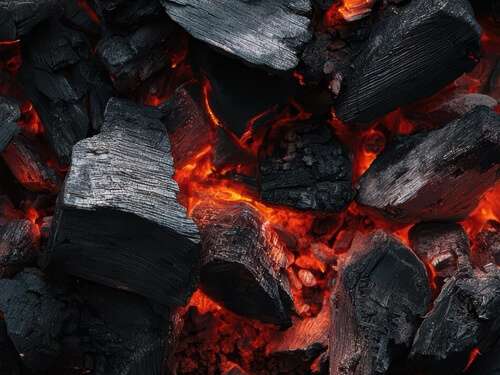
Nigeria has established itself as one of Africa’s premier hubs for high-grade hardwood charcoal. Due to its dense timber species like Acacia, Ayin, and Mahogany, Nigerian charcoal is widely favored in international markets for its high calorific value and long burning time. However, international buyers often face challenges related to inconsistent quality, varying moisture levels, and commercial coordination during procurement.
Quality Specifications and Moisture Control
When importing charcoal for industrial or barbecue applications, fixed carbon content and moisture percentage are the most critical parameters. High-quality charcoal typically maintains a fixed carbon level above 75% and a moisture content strictly below 8%. Higher moisture levels not only increase shipment weight unnecessarily but also result in excessive smoke, low burning efficiency, and potential mold growth during long sea voyages.
Ethical Sourcing and Regulatory Compliance
Commercial viability in commodity trading relies heavily on responsible sourcing practices. International buyers must ensure that their suppliers operate in full compliance with Nigerian forestry laws and export regulations. Working with reputable trading companies ensures that the commodity is harvested sustainably, properly documentation is issued by relevant authorities, and shipments pass custom clearances without unnecessary delays.
The international commodity landscape—spanning energy products, mine
READ FULLPetroleum wax products are fundamental raw materials utilized across a vas
READ FULLNigeria has established itself as one of Africa’s premier hubs for hi
READ FULL

Have a question or need a quote? Fill out this form and our team will get back to you quickly!